Skip to content
Monitor Doktor
Menu

For curious patients

Understand your health before the appointment starts

Clear, calm reading on check-ups, teeth and gums, mood, stopping smoking and the everyday habits in between, so you can walk in with better questions and leave with fewer loose ends.

Browse by topic

Worth reading first

Transforming Healthcare Communication with Digital Display Boards
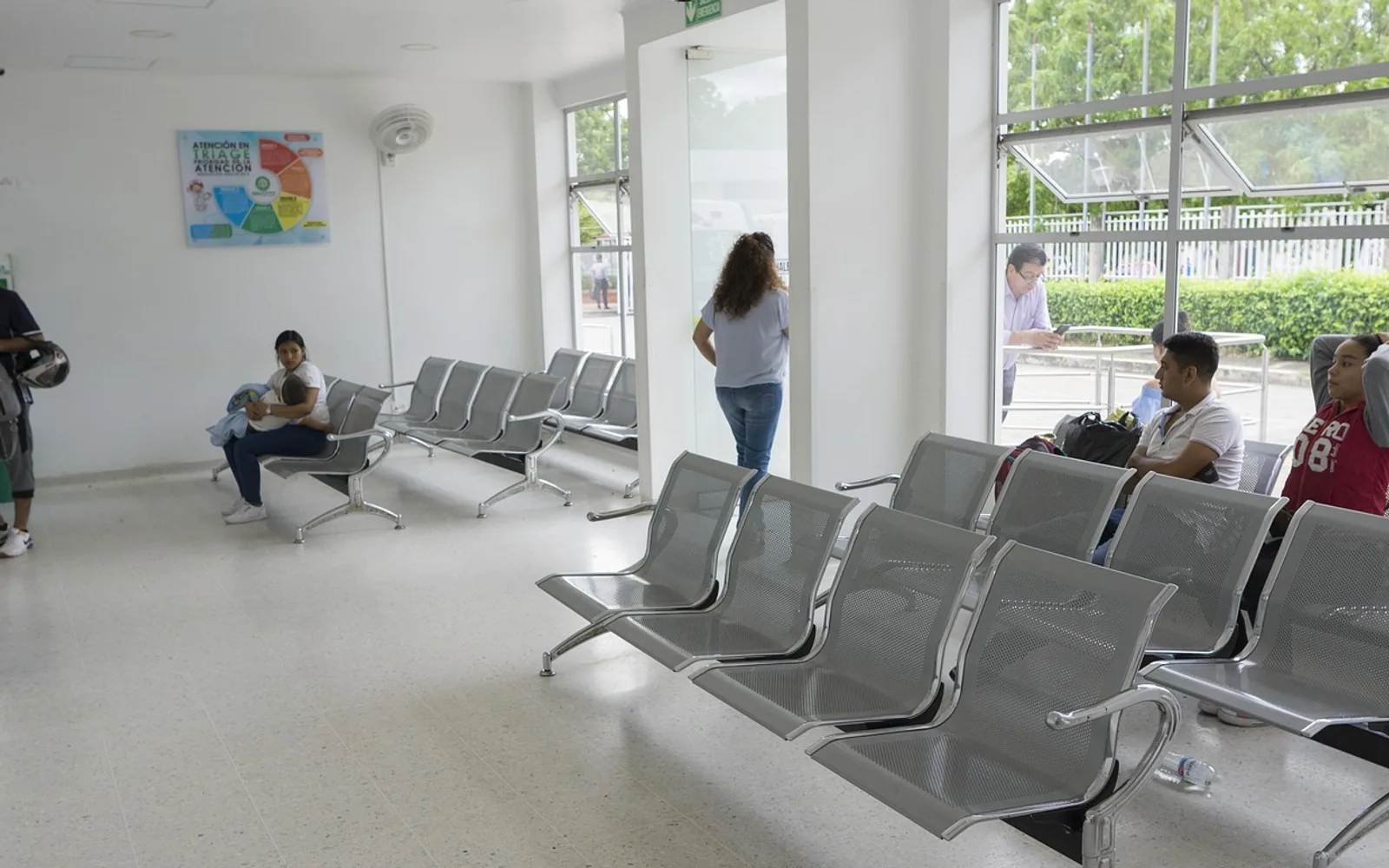
Hospital, clinic and waiting room

Walk into a busy hospital and the first thing most people need is information: where to go, how long they will wait, what happens next. Paper notices and printed maps struggle to keep up with a building that changes by the hour. Digital screen display boards offer another way to get timely messages in front of patients, visitors and staff. This article looks at the topic from the point of view of the people reading those screens, and at what separates a helpful board from one that is simply decoration.

What a patient wants to know at a glance

For someone sitting in a waiting area, uncertainty is often the most stressful part of the visit. A well-placed screen can answer the questions people would otherwise queue at the desk to ask:

  • Is the clinic running on time, or is there a delay?
  • Which room or desk should I go to when called?
  • Where are the toilets, the café and the pharmacy?
  • What should I do if I feel unwell while waiting?

When these answers are visible and kept up to date, front-desk staff spend less time repeating the same information and more time helping people with genuine problems.

Finding the way in a large building

Hospitals often grow in stages, leaving corridors, wings and floors that confuse even regular visitors. Screens near entrances, lifts and junctions can show simple directions, highlight closures or temporary route changes, and point to the nearest exits. Clear arrows and short labels tend to work better than detailed floor plans that need close study. For visitors who are anxious or in a hurry, being able to find a ward without asking several people makes a noticeable difference.

Supporting staff behind the scenes

Not every screen is meant for the public. Boards in staff-only areas can show information such as shift changes, team announcements or alerts that need a quick response. Anything involving patient details must follow the organisation's data protection rules and be placed where the public cannot see it. Used thoughtfully, these internal displays can cut down on phone calls and missed messages during busy periods.

Health information that people actually read

Waiting areas are a natural place for general health messages: reminders about vaccinations, hand hygiene, healthy eating or local support services. The key is to keep content short, accurate and reviewed by appropriate clinical staff. A slide that can be understood in a few seconds is far more likely to be absorbed than a dense paragraph. Content should complement, never replace, the advice a patient receives from their own doctor or nurse.

Design choices that make screens accessible

A screen only helps if people can read it. Some practical principles:

PrincipleWhy it matters
Large, high-contrast textHelps people with low vision and those reading from a distance
Plain language and common symbolsSupports visitors with limited literacy or who speak other languages
Slow, predictable rotationGives everyone time to finish reading before the slide changes
Audio or desk alternatives for callsEnsures people with sight loss are not left out
Sensible brightness and placementAvoids glare and keeps screens visible from seats

When things go wrong

Screens can also carry urgent instructions during an incident, such as an evacuation or a temporary closure. That role only works if the content is planned in advance, tested, and backed up by staff announcements in case of a technical fault. A board that freezes or shows outdated information can cause more confusion than having no screen at all, so regular checks and a named person responsible for updates are essential.

Digital display boards will not fix every communication problem in healthcare, but when they are planned around the needs of real patients and visitors, they can make a stressful visit a little clearer and calmer.

Health admin, spread out

A gentle week of getting organised

Small jobs that make the next check-up or dental visit easier. One a day is plenty, and skipping a day is fine.

  1. MondayCheck when you last had a routine check-up and a dental visit, and note anything overdue.
  2. TuesdayWrite down every medicine, vitamin and supplement you take, with how often you take it.
  3. WednesdayJot down any symptom that has been nagging at you, when it began and what makes it better or worse.
  4. ThursdayAsk relatives about conditions that run in the family, if you feel comfortable doing so.
  5. FridayTurn your notes into no more than three questions, most important first.
  6. SaturdayBook anything that is overdue, or set a reminder for when booking opens.
  7. SundayKeep the list somewhere you will find it on the day, such as your phone or your bag.

If anything on your list feels urgent or is getting worse, contact a doctor, dentist or pharmacist now rather than waiting for the week to finish.

Same ten minutes, different outcome

Walking in unprepared versus walking in ready

Short appointments are normal. What you bring with you often decides how much you get out of them.

Arriving without a plan

  • The main worry comes up just as the door is closing
  • Dates and details of symptoms are guessed on the spot
  • Medicines and supplements are listed from memory, with gaps
  • Unfamiliar words get a nod instead of a question
  • Next steps are half-remembered by the time you reach the car

Arriving with a short list

  • The most important concern is raised in the first minute
  • A few notes show when things started and what changed
  • A written list of everything you take, including over-the-counter products
  • You ask what a term means and what it means for you
  • You repeat the plan back, or ask for it in writing

Preparation is no substitute for the professional's judgement. It simply gives that judgement better material to work with.

A rough sketch, not a prescription

A plate that is kind to body and teeth

A loose picture many general healthy-eating guides share. Needs vary, so treat it as a starting idea.

  • Vegetables and fruitThe biggest share, ideally in a mix of colours and mostly whole rather than juiced.
  • Wholegrain starchesBrown rice, oats, wholemeal bread or pasta, or potatoes cooked in their skins.
  • Protein foodsPulses, eggs, fish, tofu, nuts or lean meat, varied across the week.
  • Dairy or fortified alternativesPlain yoghurt, milk or cheese, which also go easy on your teeth.
  • Water to drinkWater between meals gives teeth a break from sugary and acidic drinks.

Seven days, small ticks

A week of everyday basics

Tick each one you manage. The pattern over a week tells you more than any single day.

HabitMonTueWedThuFriSatSun
Brushed twice and cleaned between teeth
Got outside for a walk or some daylight
Went to bed around the usual time
Took a short pause when stress built up
Drank mostly water through the day
Stayed smoke-free, or smoked less than yesterday

Change the lines to suit you. If one habit never gets a tick, that is worth mentioning at your next appointment.

New on the site

Knowing when to act

Watch, book or call?

A general sorting aid across the topics we cover. It cannot replace the judgement of someone who knows your health.

  1. Keep an eye on it

    • Gums that bleed a little when you start flossing again
    • A few restless nights during a stressful week
    • Mild irritability in the first days after stopping smoking
  2. Make an appointment

    • Toothache, a loose tooth or gum bleeding that keeps coming back
    • Low mood, worry or poor sleep that has lasted for weeks
    • A cough, lump, mole or change in your body that is new to you
    • Cravings or withdrawal you are finding hard to manage alone
  3. Get urgent help

    • Chest pain, severe breathlessness or fainting
    • Swelling of the face or jaw with fever or difficulty swallowing
    • Thoughts of harming yourself or feeling unable to stay safe

This is general information. If it feels like an emergency, phone the emergency number where you are.