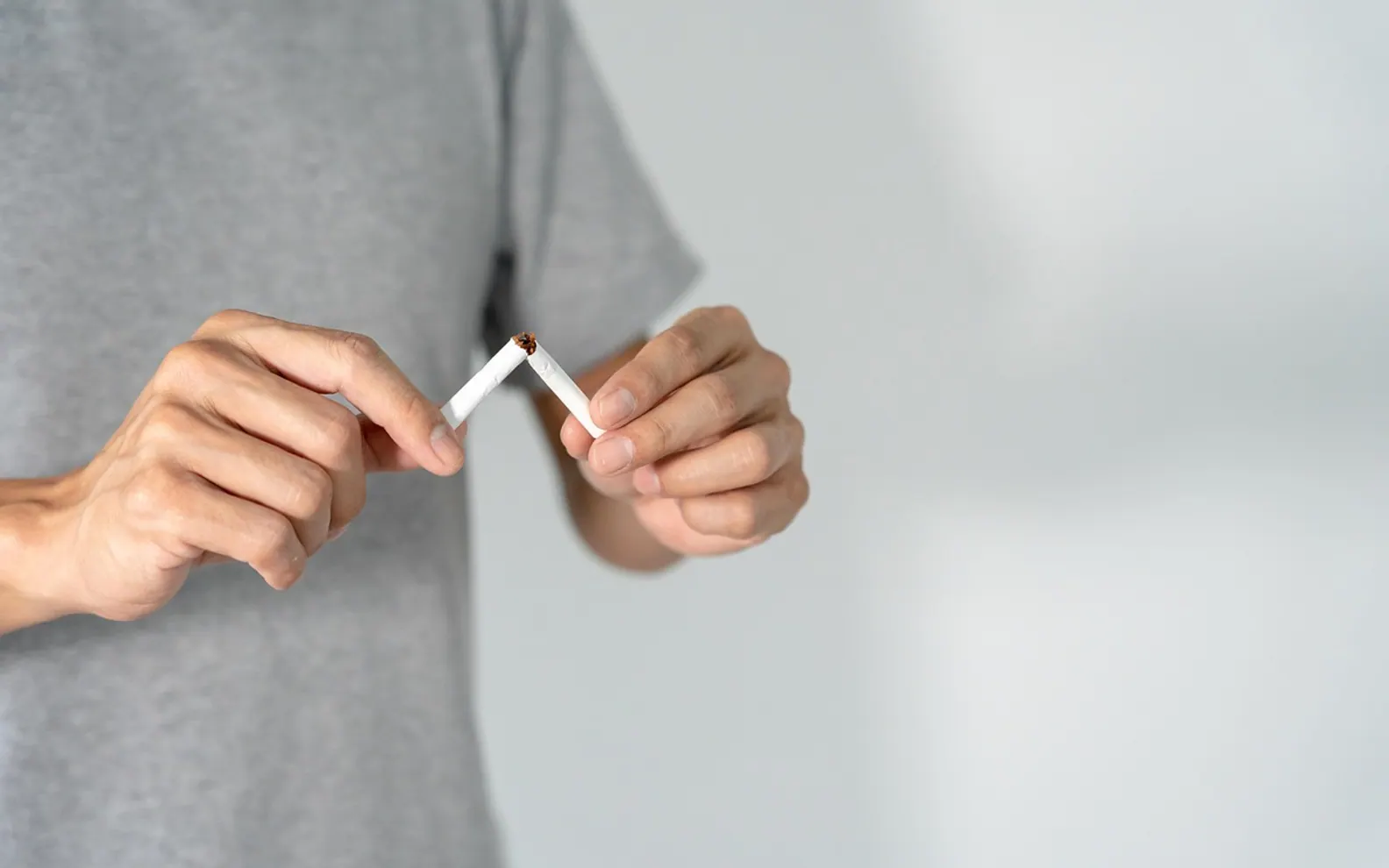
Quitting cold turkey means stopping smoking completely on a chosen day, without gradually cutting down first. Some people like the clarity of a clean break. Others find it easier with help, such as a stop-smoking service, nicotine replacement or a medicine prescribed by a doctor. There is no single right way to stop, and many people try more than one approach before they succeed. If you have decided to go cold turkey, good preparation can make a real difference to how the first weeks feel.
Choose your quit date
Pick a day in the near future, close enough that you stay motivated but far enough away to prepare. Many people avoid days they know will be especially stressful. Write the date down, put it in your calendar and tell people you trust. Saying it out loud tends to make it feel more real.
Know your reasons
Write down why you want to stop. It might be your health, your family, money, the smell, or simply wanting to feel free of the habit. Keep the list somewhere you will see it, such as your phone or wallet. When cravings hit, a concrete reason in your own words can be more persuasive than general advice.
Map your triggers
For a few days before your quit date, notice when you smoke and why. Common triggers include waking up, coffee, finishing a meal, alcohol, driving, breaks at work, stress and being around other smokers. For each one, plan something different to do instead:
- Morning coffee: change the routine by drinking it somewhere else or switching to tea for a while.
- After meals: get up from the table straight away, brush your teeth or go for a short walk.
- Work breaks: take your break with a non-smoking colleague or in a different spot.
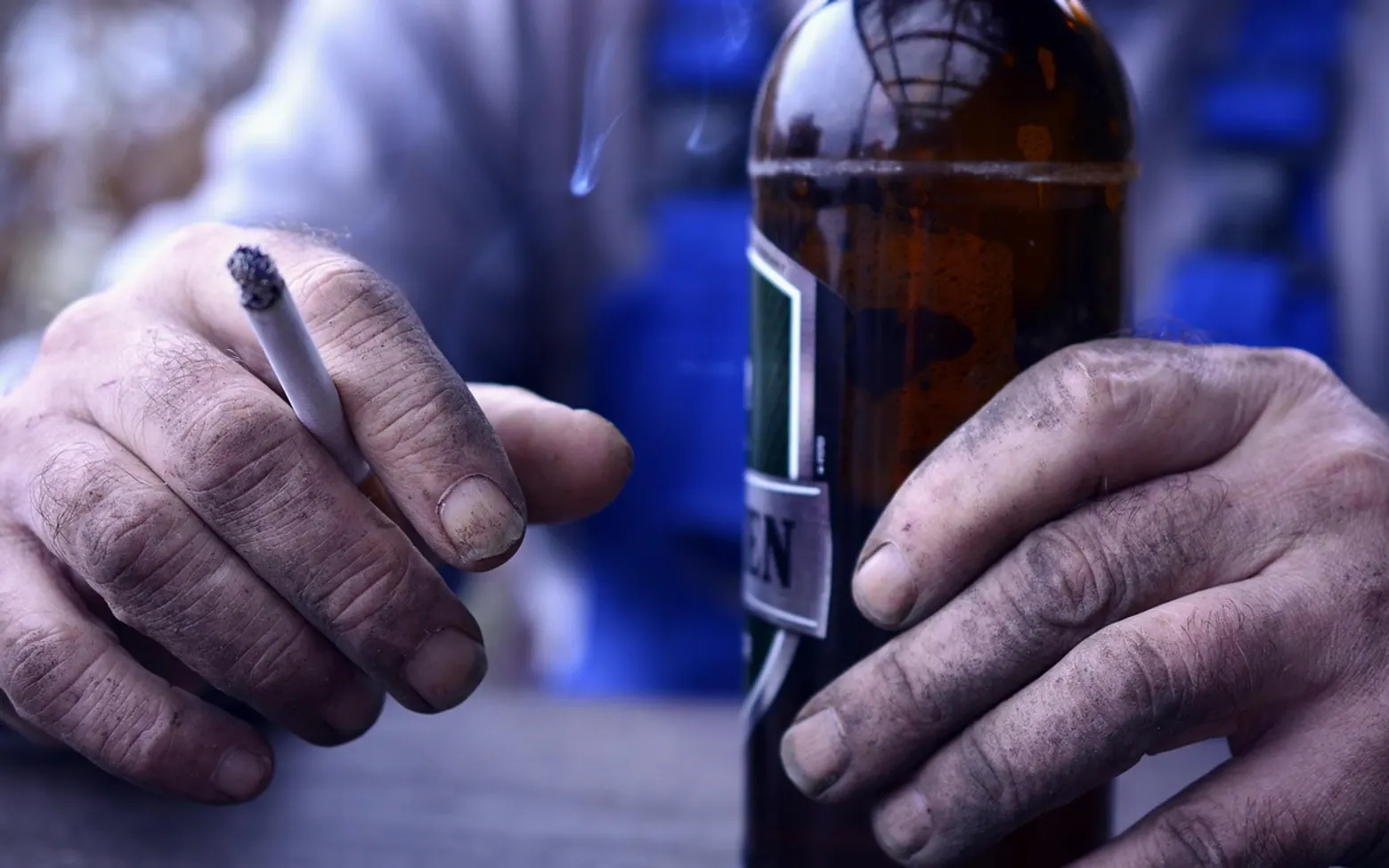
- Alcohol: consider cutting down or avoiding it in the first weeks, since drinking can weaken resolve.
- Stress: have a short list of alternatives ready, such as slow breathing, a quick walk or calling a friend.
Prepare your surroundings
The day before you stop, get rid of cigarettes, lighters and ashtrays from your home, car and bags. Wash clothes and clean areas that smell of smoke. Stock up on things to keep your hands and mouth busy: sugar-free gum, crunchy vegetables, a bottle of water or something to fiddle with.
What withdrawal can feel like
When you stop nicotine suddenly, your body has to adjust. People commonly describe:
- strong urges to smoke
- irritability, restlessness or low mood
- difficulty concentrating
- increased appetite
- trouble sleeping
These feelings vary from person to person. For many people they are strongest in the early days and ease over the following weeks, though occasional cravings can pop up much later, often in situations linked to old habits. Knowing this in advance helps you see a craving as a passing wave rather than a sign that you are failing.
Getting through a craving
- Delay. Tell yourself you will wait a few minutes. Cravings often pass if you do not act on them straight away.
- Distract. Change what you are doing: stand up, drink water, step outside, message someone.
- Breathe. Slow, deep breaths can take the edge off the tension.
- Remind yourself why. Look at your list of reasons.
Other options worth knowing about
Going cold turkey without any support works for some people, but it is not the only route, and using help is not a sign of weakness. Local stop-smoking services, where available, offer advice and encouragement and can talk through the options. Nicotine replacement products, such as patches, gum or lozenges, can ease withdrawal. A doctor can also discuss prescription medicines that may help some people stop, and whether they are suitable for you.
Some adult smokers consider switching to vaping as a way to move away from cigarettes; our article on reusable vapes for adult smokers looks at why some people choose this route. Vaping is not risk-free, it is not for non-smokers or young people, and it is worth discussing with a health professional if you are unsure what suits you.
Talk to a doctor first if needed
If you are pregnant, have a heart or lung condition, take regular medicines or have a history of mental-health problems, it is a good idea to speak to your doctor before you stop. Quitting can change how some medicines work, and support can be adjusted to your situation.
If you slip
Having one cigarette does not mean you have to go back to smoking. Think about what led to it, adjust your plan for that situation and carry on. Many people who stop for good have had earlier attempts that did not last, and each one teaches something about what helps.
Notice the progress
Mark each smoke-free day, and consider putting the money you would have spent aside for something you enjoy. Over time, many people find that everyday activities that once revolved around smoking feel easier and more relaxed without it.