When wisdom teeth are coming in, the usual signs are a dull ache or pressure at the very back of the jaw, tender or swollen gum behind the last molar, and sometimes a stiff jaw, earache-like pain or headaches. For some people the teeth arrive with barely any discomfort. For others, especially when there is not enough room, they cause repeated soreness or infection. Mild symptoms can often be managed at home, but swelling, a bad taste, fever or difficulty opening the mouth are reasons to see a dentist.
What wisdom teeth are
Wisdom teeth are the third molars, the last teeth at the back of each side of the upper and lower jaw. They are usually the final adult teeth to appear, typically in the late teens or twenties, although timing varies a lot. Some people never develop all four, and some have wisdom teeth that stay partly or fully under the gum or bone. A tooth that cannot come through properly is described as impacted.
Symptoms when wisdom teeth are coming in
- A dull ache or feeling of pressure behind the back teeth.
- Gum that looks red, puffy or tender over or around the emerging tooth.
- A small flap of gum over part of the tooth.
- Pain when chewing on that side.
- A stiff or achy jaw, sometimes with difficulty opening wide.
- Pain that seems to spread towards the ear or temple, or headaches.
- An unpleasant taste or bad breath from food trapped around the tooth.
Symptoms can come and go over weeks or months, flaring up as the tooth moves and settling again in between.
How to know if it is your wisdom teeth
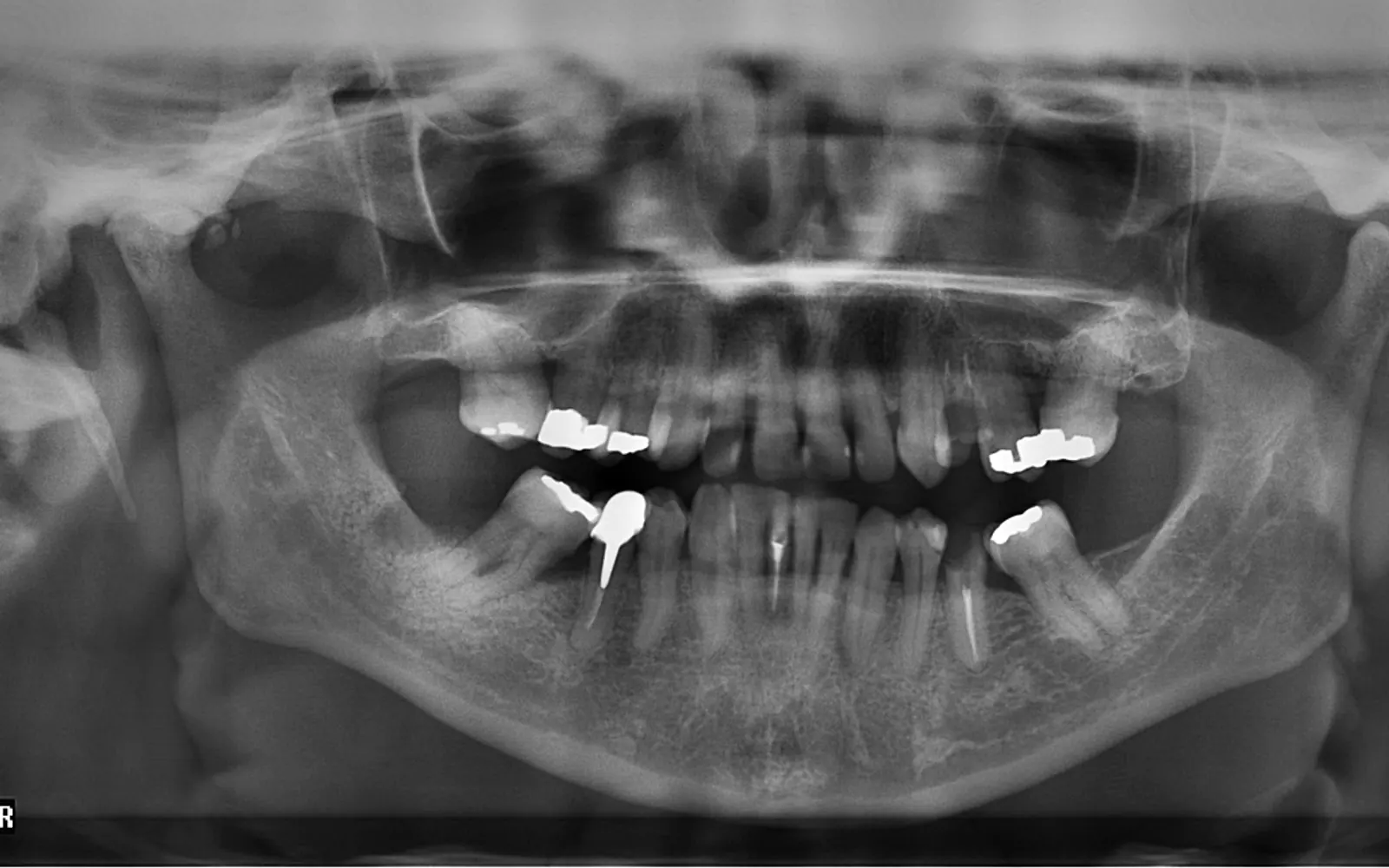
Look at the area behind your last molar in a mirror with good light. You may see a small white edge breaking through, or a swollen patch of gum. Running your tongue along the back can help too. Still, other problems can cause similar pain, including decay in a nearby tooth, gum disease, sinus trouble or jaw joint problems. A dental examination, often with an X-ray, is the only reliable way to see where the tooth is, which way it is angled and whether there is room for it.
Why some wisdom teeth cause trouble
| Problem | What happens | Typical signs |
|---|---|---|
| Pericoronitis | Food and bacteria collect under the gum flap and cause inflammation or infection | Swollen, painful gum, bad taste, sometimes swelling of the cheek |
| Decay | The tooth is hard to clean, and so is the back of the molar in front of it | Sensitivity, toothache, visible holes |
| Impaction | The tooth is blocked by bone or another tooth | Sometimes no symptoms; sometimes pressure and repeated pain |
| Crowding of the gum area | Gum around a partly erupted tooth stays irritated | Ongoing tenderness and bleeding |
Easing soreness at home
If symptoms are mild and you have no signs of infection, these steps may help while the tooth settles or while you wait for an appointment:
- Keep the area clean. Brush gently right to the back with a soft or small-headed brush. Cleaning carefully between teeth, as described in how to floss properly, reduces trapped food.
- Rinse with warm salt water after meals to soothe the gum and loosen debris.
- Choose softer foods and chew on the other side for a few days.
- Use a cold pack on the outside of the cheek for short periods if the jaw is achy.
- Ask a pharmacist about pain relief that suits your health and any medicines you take.
Sore gums in other parts of the mouth have different causes; our article on why gums hurt covers them.
When to see a dentist
Book an appointment if pain lasts more than a few days, keeps returning, or makes eating difficult. Contact a dentist urgently if you notice:
- swelling of the gum or cheek;
- pus or a persistent bad taste;
- fever or feeling unwell;
- difficulty opening your mouth.
Seek emergency care straight away if swelling spreads towards the eye or neck, or if you have difficulty swallowing or breathing.
Do wisdom teeth always need removing?
No. Many wisdom teeth come through without problems and can stay, provided they can be cleaned well. Dentists generally weigh the symptoms, the position of the tooth, the risk of future problems and your general health. Approaches differ between countries and practices: some favour monitoring teeth that cause no symptoms, while others may suggest earlier removal in particular situations. It is reasonable to ask why a recommendation is being made, what the alternatives are and what recovery would involve.
Regular check-ups allow wisdom teeth to be monitored over time, even when they are not causing pain. The guide on how often you should see a dentist explains how visit intervals are usually decided.
Quick answers
How long does it take for a wisdom tooth to come in?
It varies. Eruption can happen in stages over months, with flare-ups of discomfort in between. Some teeth never fully emerge.
Can wisdom teeth cause headaches or earache?
Pain from the back of the jaw can be felt in the ear, temple or head. Because headaches and earache have many other causes, persistent pain should be checked.