Ask a group of friends how often they visit the dentist and you will probably hear several different answers. Some go twice a year, some once, and some only when something hurts. The honest answer to the question is that it depends on the person, and the interval that suits you is best decided together with your dentist.
The common starting point
Many people are told to come for a check-up about every six months, and this has long been a familiar rule of thumb. In practice, however, dental guidance in a number of countries encourages dentists to tailor the interval to each patient. Someone with healthy teeth and gums and a low risk of problems may be advised to come less often. Someone with active gum disease or frequent new cavities may be asked to come more often for a period.
So if your dentist suggests an interval that differs from what a friend was told, that is not necessarily a sign that anything is wrong. It usually reflects a judgement about your own mouth.
What your dentist takes into account
When setting a recall interval, a dentist typically looks at a range of factors, such as:
- Your history of decay, including how many fillings you have had and how recently.
- The health of your gums, including bleeding, pockets around the teeth and any bone loss seen on X-rays.
- Diet, especially how often you have sugary food and drinks between meals.
- Smoking and alcohol, which can affect gum health and the soft tissues of the mouth.
- General health and medicines, since some conditions and medicines can cause a dry mouth or affect the gums.
- Dental work, such as crowns, bridges, braces, dentures or implants.
- How well you clean at home, including brushing and cleaning between the teeth.
Because some of these factors change over time, your recommended interval may change too. It is reasonable to ask at each visit when you should come back and why.
Children and teenagers
Children's teeth and jaws change quickly, and their risk of decay can rise and fall with diet and habits. Dental teams often see children regularly so they can spot problems early, apply preventive treatments where appropriate and help build good habits. A first visit is commonly suggested once the first teeth appear, though the dental team will advise on timing.
What happens at a routine check-up
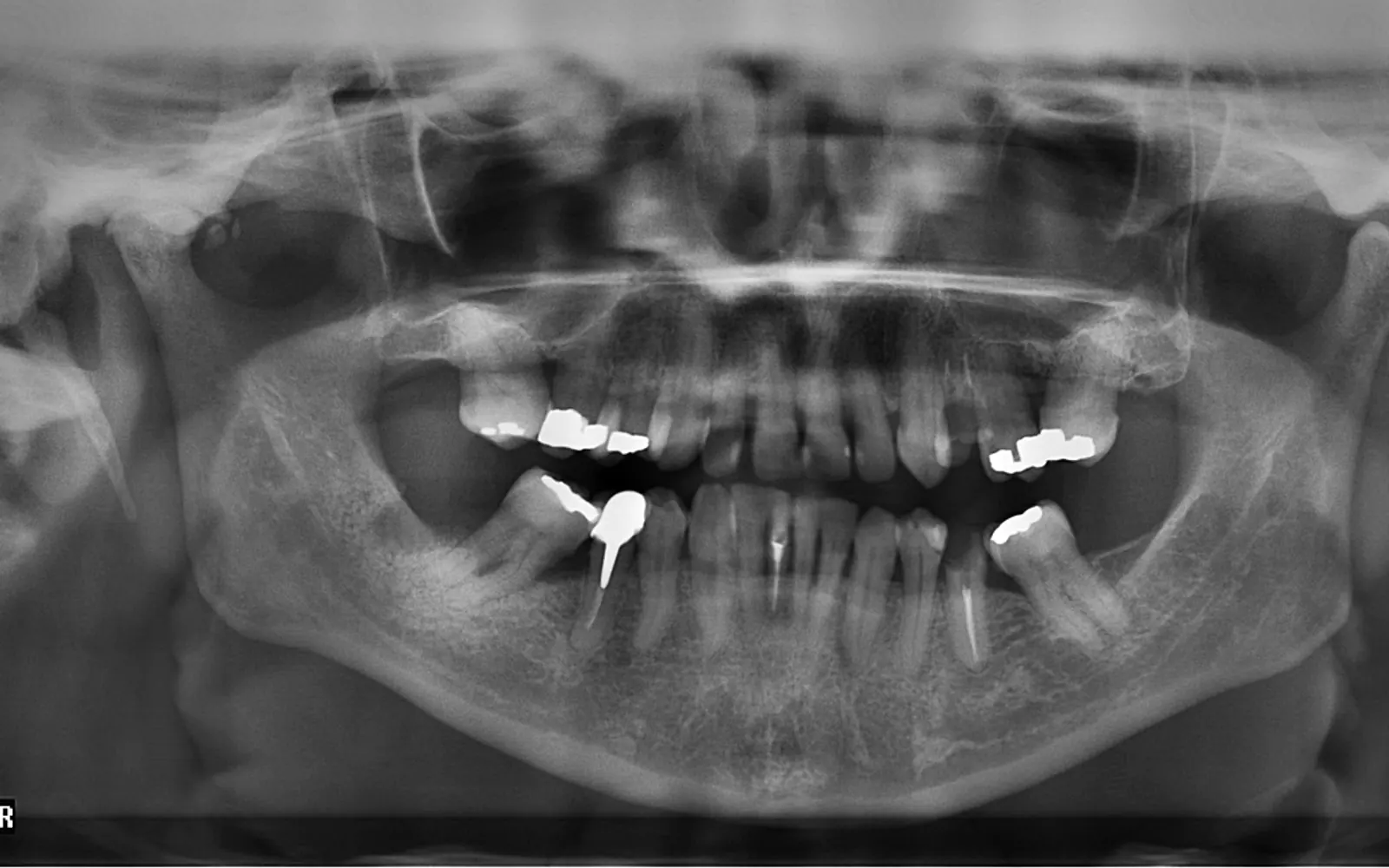
A typical visit includes a look at your teeth, gums, tongue and the inside of your cheeks, along with questions about any changes in your general health or medicines. The dentist may check for signs of decay, gum disease and wear, and look at the soft tissues for anything unusual. X-rays are not taken at every visit; whether you need them, and how often, is also decided individually.
You may also have a scale and polish with the dentist or a dental hygienist, and get advice on brushing and cleaning between your teeth. If you would like a refresher on that, our step-by-step guide on how to floss properly covers the technique.
Signs you should not wait for your next check-up
A recall interval is for routine care. Book an earlier appointment if you notice:
- Toothache, or pain when biting or chewing.
- Gums that bleed regularly, are swollen, tender or pulling back from the teeth.
- Sensitivity to hot or cold that does not settle.
- A chipped, cracked or loose tooth, or a lost filling or crown.
- A sore, ulcer, lump or patch in the mouth that has not healed within a couple of weeks.
- Persistent bad breath or a bad taste.
- Swelling of the face or jaw, which may need urgent attention.
If you have dental work or implants
Restorations and appliances can change how often you need to be seen. Implants in particular rely on healthy gum and bone around them, so regular reviews help catch inflammation early. Our article on dental implants explains how they bond with the jaw, which is one reason ongoing care matters.
If you feel anxious about the dentist
Dental anxiety is common, and it is a frequent reason people put off visits until a problem becomes painful. Telling the practice when you book can help; many dental teams are used to working with nervous patients and can explain each step, agree on a signal for pausing or offer longer appointments. Going regularly, even when nothing hurts, often means shorter and simpler visits over time.
The short answer
See a dentist as often as your dentist recommends for you, and ask how that interval was chosen. Keep up good cleaning at home in between, and do not wait for a scheduled check-up if something changes, hurts or simply does not feel right.