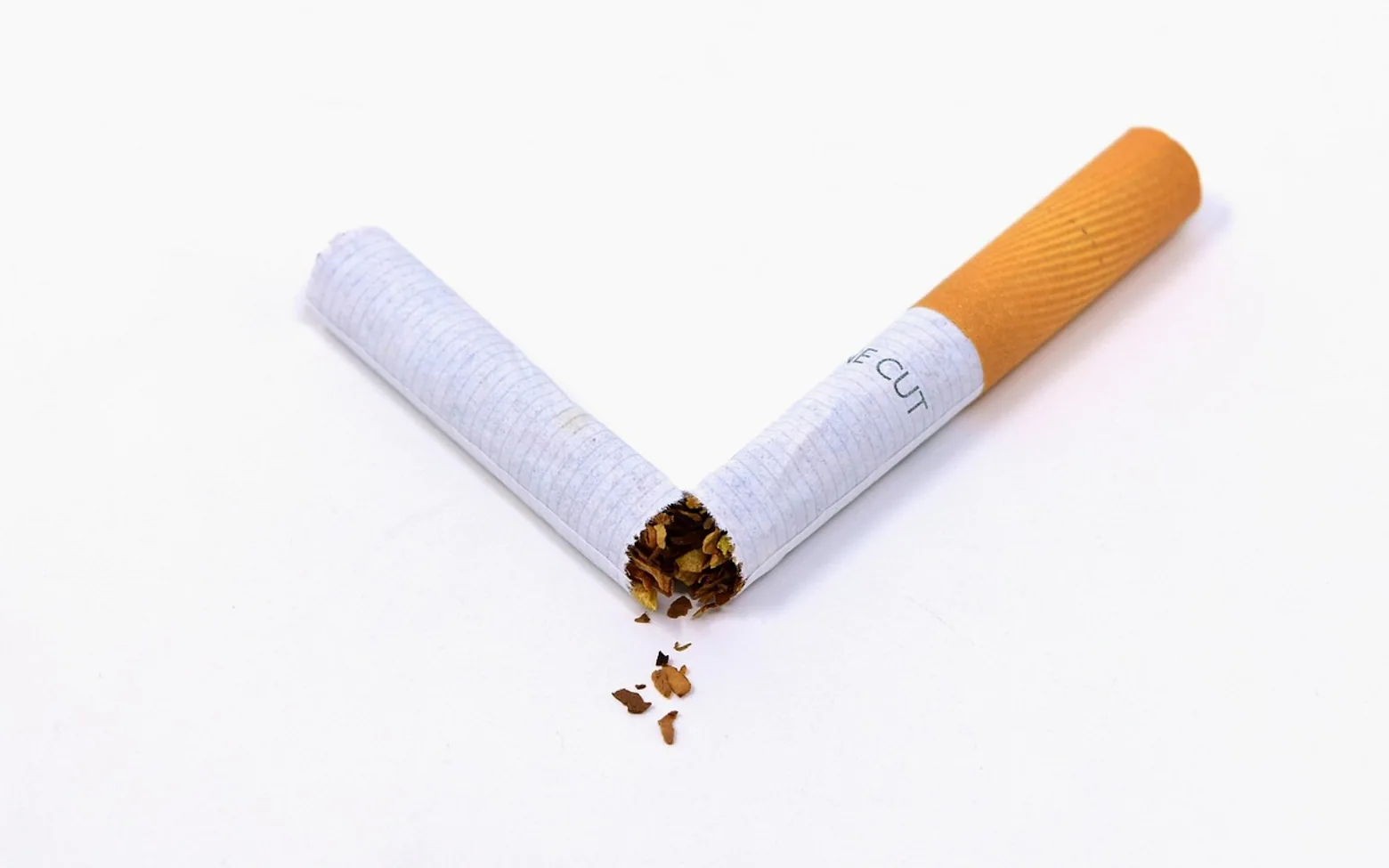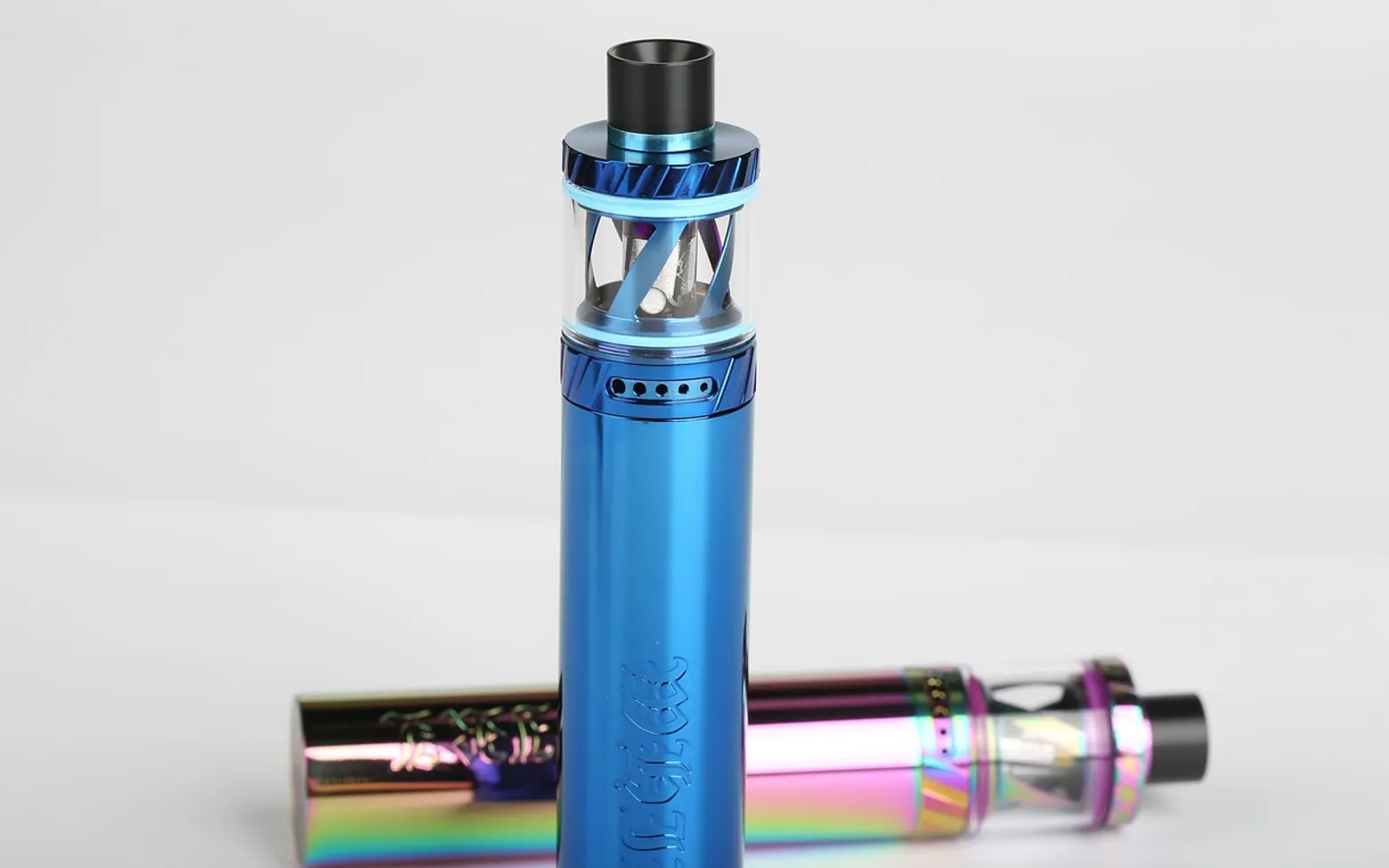
Nicotine salts and freebase nicotine are two forms of the same drug. Freebase is the older form used in most traditional e-liquids; nicotine salts are made by adding a mild acid, which makes the vapour feel smoother on the throat. That smoothness is the main practical difference, and it explains why salt liquids are usually sold at higher strengths for small pod devices while freebase liquids tend to be lower in strength and used in larger kits.
This page is for adults who already smoke or vape. Nicotine is addictive, vaping is not risk-free, and neither form is suitable for non-smokers, young people or anyone who is pregnant without medical advice.
Why the chemistry matters to the user
In its freebase form, nicotine gives the vapour a noticeable "throat hit", a catch or scratch at the back of the throat. At higher strengths that hit becomes harsh, which naturally limits how much nicotine many people are comfortable inhaling from freebase liquid. Combining nicotine with an acid produces a salt that is gentler to breathe in. The same amount of nicotine feels softer, so liquids can be made stronger without becoming unpleasant.
That is a convenience, but also a point to be careful about. A smoother feel does not mean less nicotine; it can make it easier to take in more without noticing.
Side by side
| Freebase nicotine | Nicotine salts | |
|---|---|---|
| Throat feel | Sharper, more noticeable hit | Smoother, especially at higher strengths |
| Usual strengths on sale | Lower to moderate | Moderate to high |
| Typical devices | Larger refillable kits that produce more vapour | Small pod systems with lower power |
| Who tends to choose it | People who like bigger clouds or are already at lower strengths | Heavier smokers switching from cigarettes who want something closer to a cigarette's feel |
| Main caution | Using a high-power kit with a strong liquid can be overwhelming | Easy to take in a lot of nicotine because it feels mild |
Reading the label
E-liquid strength is normally given in milligrams of nicotine per millilitre (mg/ml), sometimes as a percentage. A bottle or pod labelled "nic salt" or "salt nicotine" uses the salt form; anything else is usually freebase. Some products, often called hybrids, contain a mix. Rules on maximum strength, bottle size and labelling differ between countries, so what is on sale where you live may look different from what you see elsewhere.
Pods are also designed for particular liquids. Putting a strong salt liquid into a high-powered tank kit, or a thick liquid into a pod that is not built for it, can give a harsh or burnt taste and more nicotine than intended. Following the device maker's guidance matters here. For people on a pod system, the routine described in keeping a steady refill routine with pod devices covers storage, swapping and safe disposal.
Choosing with a goal in mind
There is no single right form. What matters more is why you vape and where you want your nicotine use to go. A few questions worth thinking through:
- Am I using vaping to move away from cigarettes completely, or alongside them?
- Do I find myself vaping almost constantly because it feels so smooth?
- Would I like to step down in strength over time, and how would I do that?
- Have I noticed signs of too much nicotine, such as nausea, dizziness, a racing heart or a headache?
Signs of too much nicotine are a cue to stop, get fresh air and use a lower strength next time; seek medical help if they are severe or do not pass. The broader decision about devices, cues and upkeep is covered in questions to ask before switching to a reusable vape.
Where to get advice
A pharmacist or stop-smoking service can talk through nicotine strength in relation to how much you used to smoke, and explain licensed alternatives such as patches, gum, lozenges and sprays. If you are preparing for that conversation, the list of questions to ask a doctor or pharmacist about quitting is a useful starting point. Keep all e-liquids in their original containers, out of reach of children and pets, as liquid nicotine can be poisonous if swallowed or spilled on the skin.