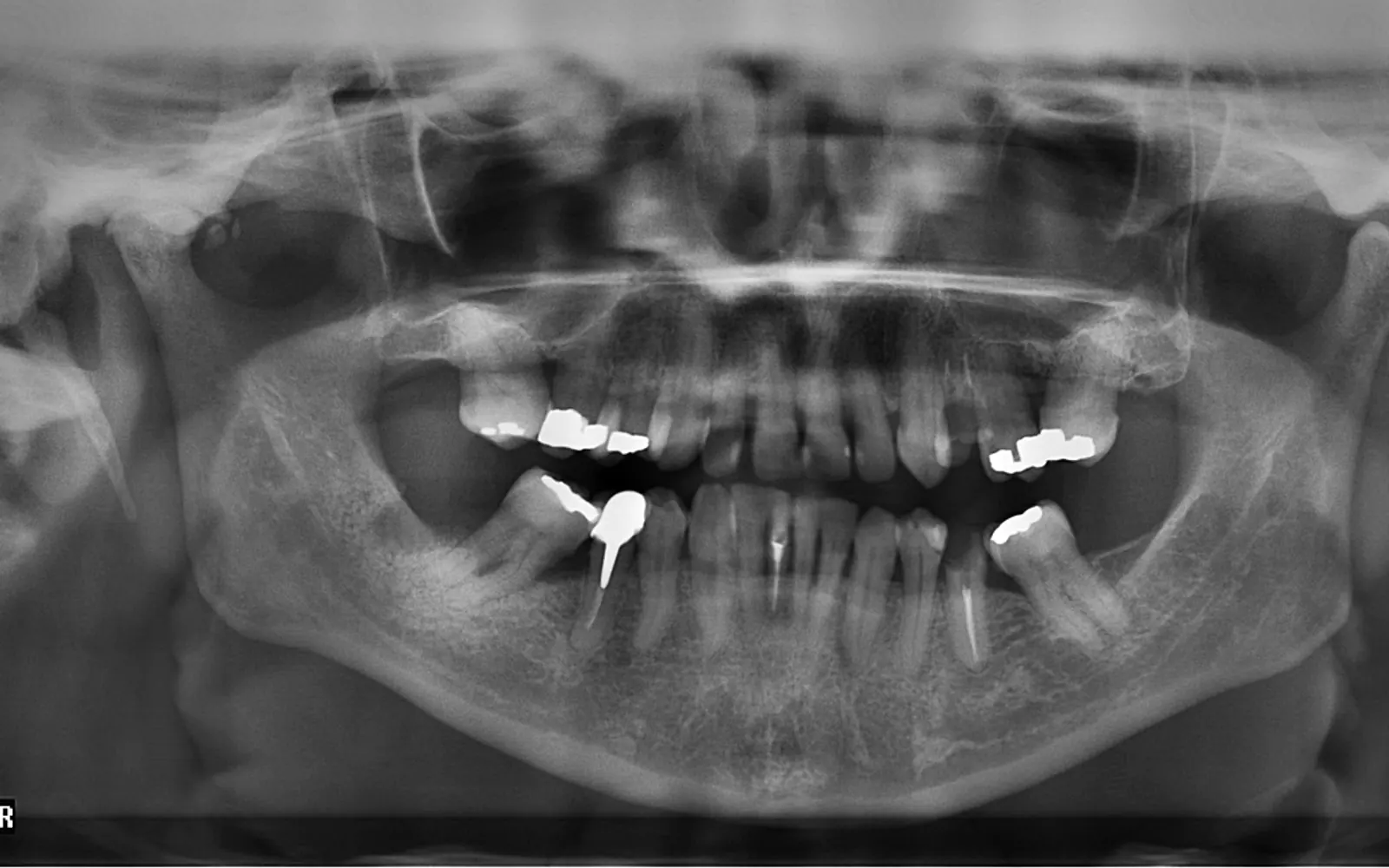
Gums usually hurt because they are irritated or inflamed. The most common reasons are plaque building up along the gum line, brushing or flossing too roughly, a piece of food wedged between teeth, a mouth ulcer, or a wisdom tooth pushing through. Mild soreness from a clear cause often settles within days with gentle care. Pain that keeps coming back, lasts more than a week or two, or comes with swelling, pus or fever should be checked by a dentist.
The most common causes of sore gums
Gum inflammation from plaque
Plaque is a sticky film of bacteria that forms on teeth every day. When it is not removed well, the gums next to it become red, puffy and tender, and they may bleed when you brush. This early stage of gum disease is called gingivitis and can often be reversed with thorough cleaning at home and a professional clean. Left alone, it can progress to periodontitis, where the tissues and bone holding the teeth are affected.
Brushing or flossing too hard
Scrubbing with a hard brush or snapping floss down onto the gums can leave them sore and, over time, may contribute to gum recession. A soft brush, small circular movements and easing floss gently between teeth are kinder. The technique in how to floss properly avoids the most common mistakes.
Something stuck
Popcorn husks, seeds and small bone fragments can lodge under the gum edge and cause a sharp, localised ache. Careful flossing or rinsing often frees them. If the pain stays in one spot, a dentist can check for a trapped fragment or an infection.
Ulcers and minor injuries
Mouth ulcers, burns from hot food and scrapes from crunchy snacks or a sharp edge on a tooth can all make a patch of gum painful. Most heal on their own within a couple of weeks.
Sore gums at the back of the mouth
Pain behind the last molars is often linked to wisdom teeth. When a tooth is only partly through, food and bacteria can collect under the flap of gum covering it and cause swelling and tenderness. Our guide on wisdom teeth coming in explains the typical signs.
Further causes to keep in mind
- Hormonal changes during puberty, pregnancy or around periods can make gums more sensitive and prone to bleeding.
- Smoking and vaping can affect gum health and may mask bleeding, so problems are noticed later.
- Braces, retainers or dentures that rub or trap food along the gums.
- Some medicines that cause a dry mouth or affect gum tissue.
- Dental abscess, a pocket of infection that often causes throbbing pain, swelling and sometimes a bad taste.
- Problems around implants, where inflammation can develop much as it does around natural teeth; see how dental implants bond with bone for why gum health matters there too.
Gentle care at home
While waiting for a sore patch to settle, or for a dental appointment, these measures are usually safe:
- Keep cleaning, gently. Avoiding a sore area allows plaque to build up and can make inflammation worse. Use a soft brush and light pressure.
- Try a warm salt water rinse. Dissolve a small amount of salt in a glass of warm water, swish gently and spit. Many people find it soothing.
- Avoid irritants. Very hot, spicy, acidic or crunchy foods can sting; tobacco and alcohol can slow healing.
- Use pain relief if appropriate. A pharmacist can advise on over-the-counter options that suit your health and other medicines.
- Do not place tablets against the gum. Holding a painkiller on the gum can cause a chemical burn.
When to see a dentist
| Situation | What to do |
|---|---|
| Mild soreness with an obvious cause that improves within a few days | Gentle home care and keep an eye on it |
| Gums that bleed regularly, look red or swollen, or are receding | Book a routine dental appointment |
| Pain lasting more than a week or two, or a loose tooth | Book promptly |
| Throbbing pain, pus, a bad taste or swelling in the face | Contact a dentist urgently |
| Swelling spreading to the eye or neck, fever, or difficulty swallowing or breathing | Seek emergency care |
Regular check-ups help catch gum disease before it causes pain. How often you need one depends on your own risk, as outlined in how often you should see a dentist.
Quick answers
Why do my gums hurt when I floss?
Often because the gums are already inflamed from plaque, or because the floss is being pushed in too hard. With gentle daily flossing, tenderness usually eases as the gums become healthier. If it does not, ask a dentist or hygienist to check your technique.
Can stress make gums sore?
Stress can lead to clenching, a dry mouth and less careful cleaning, all of which may contribute. It is still worth having persistent gum pain examined rather than putting it down to stress alone.