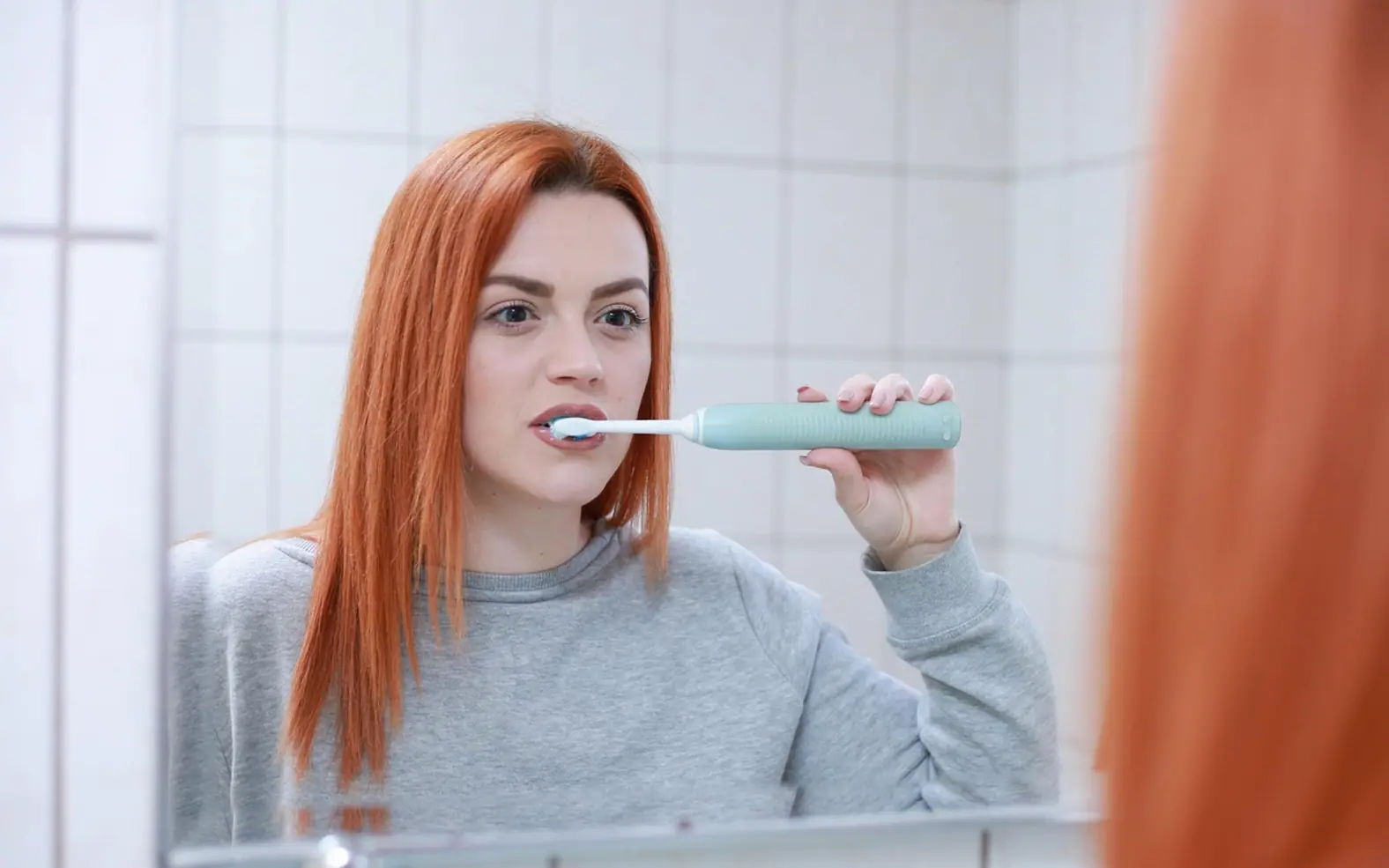
Either order can work, as long as you clean between your teeth thoroughly once a day and brush twice a day with fluoride toothpaste. That said, many dental professionals lean towards flossing first and brushing second. The reasoning is simple: flossing loosens food and plaque from between the teeth, and brushing afterwards sweeps that debris away and leaves fluoride on surfaces that have just been cleared. The more important habits are doing both properly and not rinsing the toothpaste off straight away.
The case for flossing first
Plaque that sits between teeth is out of reach of a toothbrush. When you floss before brushing, you disturb that plaque and open up the gaps. Brushing then has two jobs: removing whatever the floss dislodged and spreading fluoride over the teeth, including the edges of those freshly cleaned spaces.
There is also a practical benefit. Many people find that once they have brushed, they feel "done" and skip the floss. Putting flossing first makes it harder to leave out.
The case for brushing first
Some people prefer to brush first because it clears the bulk of plaque and makes flossing feel quicker and cleaner. If brushing first is what keeps you flossing every day, that is a perfectly reasonable choice. Consistency counts far more than sequence.
Floss or brush first: a quick comparison
| Floss first | Brush first | |
|---|---|---|
| Debris between teeth | Loosened, then brushed away | May stay in the mouth unless you rinse or brush again |
| Fluoride from toothpaste | Left on teeth after the final step | Can be partly removed by flossing and rinsing afterwards |
| Habit strength | Harder to skip | Easier to forget once brushing is done |
| Comfort | Good for people who like to finish with a fresh taste | Good for people who find flossing easier after brushing |
A simple evening routine
- Clean between your teeth. Use floss, interdental brushes or a water flosser, whichever you will actually use. The technique matters, and our guide on how to floss properly walks through it step by step.
- Brush for about two minutes with a fluoride toothpaste, reaching every surface and the gum line.
- Spit out the excess toothpaste, but do not rinse with water. Leaving a thin layer of fluoride on the teeth gives it more time to work.
- Skip food and drink afterwards if you can, apart from water, so the clean surfaces stay that way overnight.
Where does mouthwash fit?
Most people can keep their mouths healthy without mouthwash. It does not replace brushing or cleaning between teeth. If you like to use one, the timing deserves some thought. Rinsing with mouthwash immediately after brushing can wash away the concentrated fluoride from your toothpaste, even if the mouthwash itself contains fluoride. A common suggestion is to use it at a different time of day, such as after lunch, so it adds something rather than undoing something.
Some mouthwashes are recommended by dentists for specific reasons, such as gum problems or a high risk of decay. In that case, follow the instructions you are given. Mouthwash is generally not suitable for young children, who may swallow it.
When to use mouthwash: a summary
- At a separate time from brushing, if you use it every day.
- As directed by your dentist, if it was prescribed or recommended for a condition.
- Not as a quick fix for persistent bad breath, which is better checked by a dentist.
What about the morning?
Cleaning between the teeth once a day is enough for most people, and the evening is a popular choice because it clears the day's food before a long stretch without saliva flow. In the morning, brushing alone is usually fine. If you wear braces, have implants or bridges, or have been told you have gum disease, your dentist or hygienist may suggest a different schedule or specific tools, so follow their advice over any general rule.
Mistakes that matter more than order
- Snapping floss into the gums instead of easing it in and curving it around each tooth.
- Brushing too hard or with a stiff brush, which can wear enamel and irritate gums.
- Rushing through brushing in well under two minutes.
- Skipping between-teeth cleaning altogether on busy days.
- Rinsing vigorously with water straight after brushing.
If your gums are sore when you start flossing regularly, some tenderness can settle within a week or two as they become healthier. Pain that lasts longer, or gums that keep bleeding, is a reason to see a dentist; our article on why gums hurt covers the common causes.
Keeping professional checks in the routine
Even a perfect home routine cannot remove hardened tartar or spot problems hidden below the gum line. Regular check-ups and cleanings fill that gap. How often you need them depends on your own oral health, as explained in how often you should see a dentist.