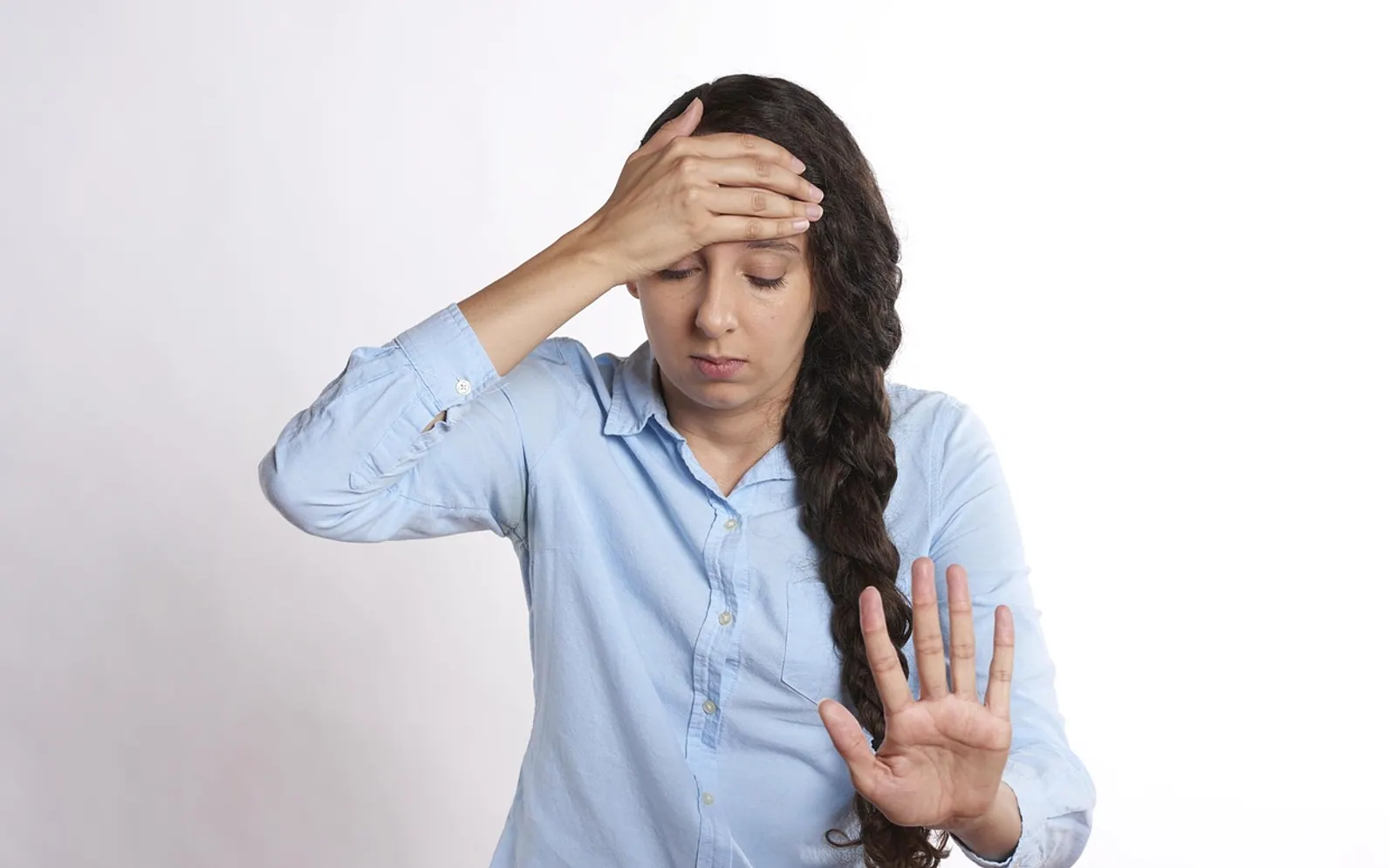
Anxiety often shows up in the body before the mind has put a name to it. A pounding heart, shallow breathing, a churning stomach or tense shoulders can all be part of an anxious response. These sensations are real, not imagined, and they can be frightening. They are also shared with a number of physical conditions, so the sensible approach is to understand them and to have new or severe symptoms looked at by a doctor.
Why anxiety affects the body
When the brain senses a threat, it prepares the body to react. Stress hormones such as adrenaline rise, the heart speeds up, breathing quickens, muscles tighten and blood is directed away from digestion towards the limbs. This is often called the fight-or-flight response. It is useful in a real emergency, but in anxiety it can switch on during a meeting, in a queue or while lying in bed, with nothing to run from.
If the response is triggered often, or stays partly switched on for long periods, the effects can build up into tiredness, aches and poor sleep.
Common physical signs
People describe a wide range of sensations. Not everyone has all of them, and the mix can change from one episode to the next.
| Body area | What people often notice |
|---|---|
| Heart and circulation | Racing or pounding heartbeat, palpitations, feeling hot or flushed |
| Breathing | Shortness of breath, a tight chest, sighing or yawning a lot |
| Stomach and gut | Nausea, butterflies, cramps, loose stools or needing the toilet more often |
| Muscles | Tension in the jaw, neck and shoulders, trembling, headaches |
| Nervous system | Dizziness, tingling in hands or lips, feeling detached or unreal |
| Skin | Sweating, clammy hands, feeling cold |
| Whole body | Fatigue, restlessness, trouble falling or staying asleep |
Panic attacks
A panic attack is a sudden surge of intense fear with strong physical symptoms, often peaking within minutes. Chest pain, breathlessness and a sense of doom are common, which is why many people first experience one as a suspected heart problem. Panic attacks are not dangerous in themselves, but the first one, or any that feel different from usual, should be assessed.
Why getting checked matters
Several conditions can mimic anxiety. An overactive thyroid, heart rhythm problems, asthma, low blood sugar, anaemia and side effects of some medicines or supplements can all cause a fast heartbeat, shakiness or breathlessness. Caffeine and nicotine withdrawal can add to the picture too. A doctor can listen to your history, examine you and, where appropriate, arrange tests. Our guide on when to see a doctor explains how to judge whether to book a routine appointment.
Seek emergency help straight away for chest pain that spreads to the arm, jaw or back, severe breathlessness, fainting, or symptoms of a stroke such as a drooping face or slurred speech. It is always better to be checked and reassured than to assume it is anxiety.
Ways to calm yourself down in the moment
Once serious causes have been ruled out, a few simple techniques can help settle the body when anxiety rises. They take practice, so try them when you are calm first.
- Lengthen the out-breath. Breathe in gently through the nose and let the breath out more slowly than it came in. A longer exhale tends to signal safety to the body.
- Release tension in stages. Clench your fists or lift your shoulders for a few seconds, then let them drop and notice how the muscles feel afterwards.
- Anchor yourself. Press your feet into the floor, hold something cool or name a few objects you can see.
- Move. A brisk walk can use up some of the stress hormones and loosen tight muscles.
- Let the wave pass. Reminding yourself that the feeling will peak and fade can make it less frightening.
Habits that may calm nerves over time
- Cutting back on caffeine, especially in the afternoon, and on alcohol, which can increase anxiety the next day.
- Keeping a regular sleep routine, since tiredness lowers the threshold for anxious reactions.
- Regular physical activity that you enjoy enough to repeat.
- Writing down worries at a set time each day so they take up less of the rest of it.
- Looking at what keeps the pressure high, such as work demands; the ideas in reducing stress at work may help there.
When anxiety needs professional support
Talk to a doctor if physical symptoms of anxiety come often, last for weeks, stop you doing ordinary things or lead you to avoid places and people. Effective help exists, including talking therapies and, in some cases, medicines. Some people also explore approaches that work with the body and past experience, such as those described in PRI in modern mental health settings, ideally alongside medical advice rather than instead of it.
Quick answers
Can anxiety cause chest pain?
Yes, chest tightness and pain are common with anxiety and panic. Because chest pain can also signal heart problems, it should be assessed, especially if it is new, severe or comes with breathlessness.
Can anxiety make you feel physically ill for days?
Ongoing anxiety can lead to fatigue, headaches, stomach upsets and muscle aches that linger. If they do not ease, a check-up is worthwhile to rule out other causes.